
What is the Traslatio Route of the Camino de Santiago ⛵
When pilgrims research the Spiritual Variant of the Portuguese Camino, one concept that appears frequently is the Traslatio Route of the Camino de Santiago. But what does this route actually mean and why is there a stage of the Camino that is done by boat?
The Traslatio Route is a symbolic journey that recreates the voyage that, according to Jacobean tradition, the disciples of the Apostle Saint James made to bring his body to Galicia.
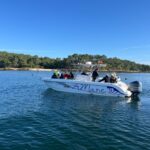
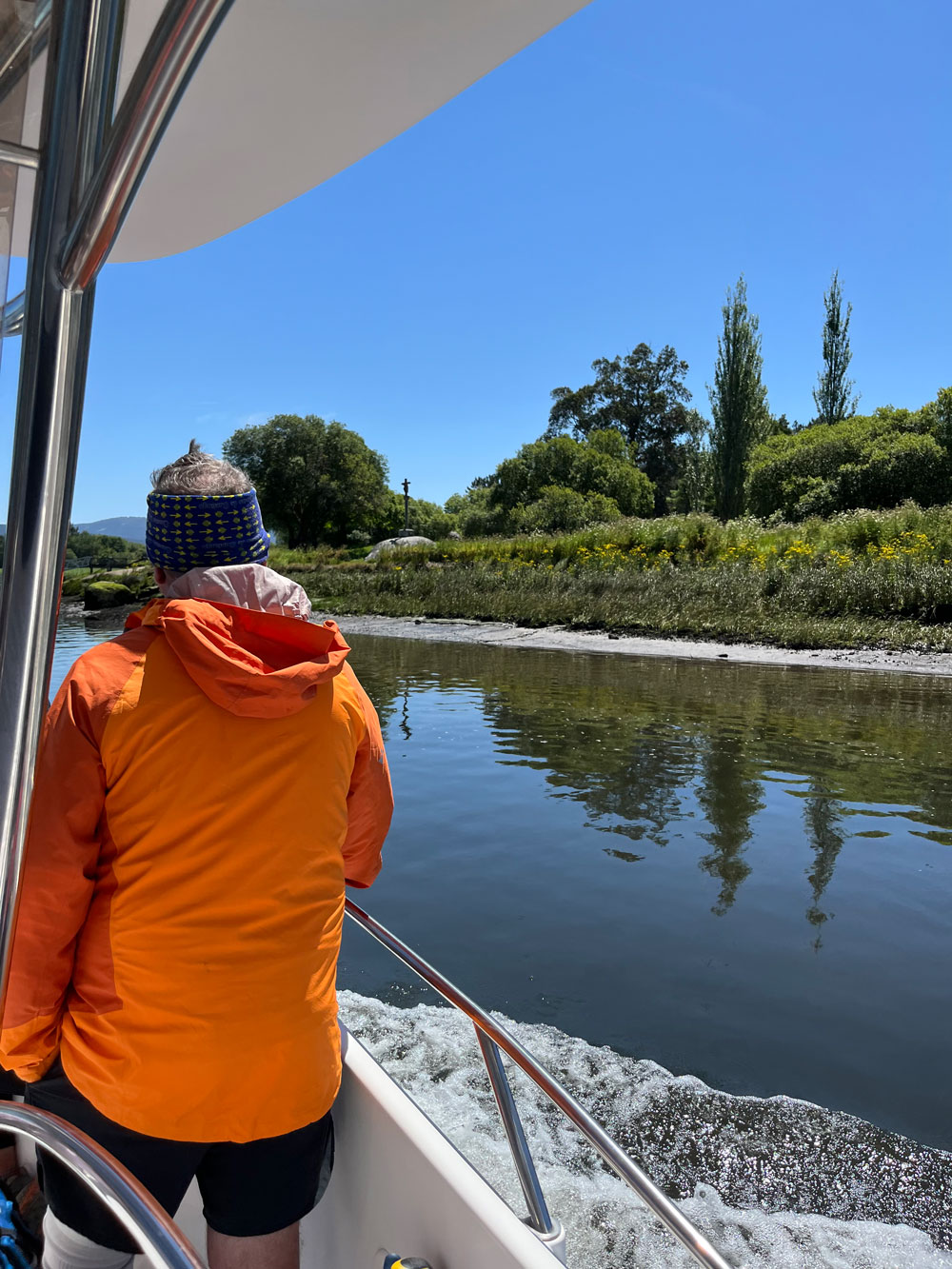
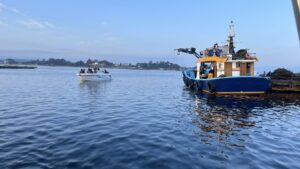
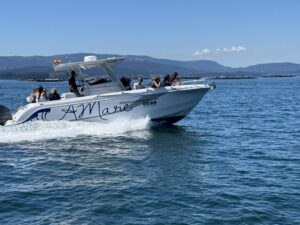
Today pilgrims relive that journey sailing by boat from Vilanova de Arousa to Pontecesures, travelling through the Ría de Arousa and the Ulla River, as part of the Spiritual Variant of the Portuguese Camino.
More than just another stage of the Camino, the Traslatio represents the origin of the entire Jacobean tradition.
What does the word “Traslatio” mean? 🌊
The term Traslatio comes from Latin and literally means “transfer” or “transport”.
In the tradition of the Camino de Santiago it refers to the transfer of the body of the Apostle Saint James from Jerusalem to Galicia after his martyrdom.
According to traditional accounts, the Apostle’s disciples placed his body in a boat that sailed to the Galician coast. The boat entered through the Ría de Arousa and travelled up the Ulla River until reaching the area of Padrón.
That journey is what is symbolically recreated today in the Traslatio Route.
Why the Traslatio Route is part of the Camino de Santiago
The Traslatio Route has a very special meaning because it represents the moment when the Jacobean story began.
The arrival of the Apostle Saint James in Galicia eventually gave rise to the pilgrimages to Santiago de Compostela centuries later.
For this reason, making the journey by boat from Vilanova de Arousa to Pontecesures within the Spiritual Variant of the Portuguese Camino allows pilgrims to symbolically relive the origin of the Camino.
Where the Traslatio Route takes place 🚤
Today the Traslatio Route takes place in Galicia, sailing through the Ría de Arousa and the Ulla River.
The journey begins at the Mar de Santiago Maritime Station, located in the port of Vilanova de Arousa.
From there the boat follows the historic route to Pontecesures, very close to Padrón, following the same itinerary described in Jacobean tradition.
This trip by boat from Vilanova de Arousa to Pontecesures lasts approximately 1 hour and 15 minutes.
The Traslatio Route within the Spiritual Variant of the Portuguese Camino 🧭
The Spiritual Variant of the Portuguese Camino is an alternative route to the traditional Portuguese Camino that begins in Pontevedra.
This variant combines nature, history and spirituality in three main stages:
- Pontevedra – Armenteira
- Armenteira – Vilanova de Arousa
- Traslatio Route by boat
The final stage is precisely the Traslatio Route, which connects Vilanova de Arousa with Pontecesures by sailing across the estuary.
After the crossing, pilgrims continue walking to Padrón and then complete the final stage to Santiago de Compostela.
Why the Traslatio Route is so well known among pilgrims ✨
The Traslatio Route has become one of the most memorable experiences of the Camino because it is the only stage that is completed by boat.
It also allows pilgrims to discover some of the most spectacular landscapes in Galicia while following a route full of historical symbolism.
Completing this journey by boat from Vilanova de Arousa to Pontecesures within the Spiritual Variant of the Portuguese Camino is, for many pilgrims, one of the most unforgettable moments of their entire pilgrimage.
🚤 For those walking the Spiritual Variant of the Portuguese Camino, the Traslatio Route is a unique way to connect with the origins of the Camino de Santiago.